
Why Self-Care Matters More Than Ever After 55
About selfcare after the age of 55 and why it is so important.
SELF-CARE
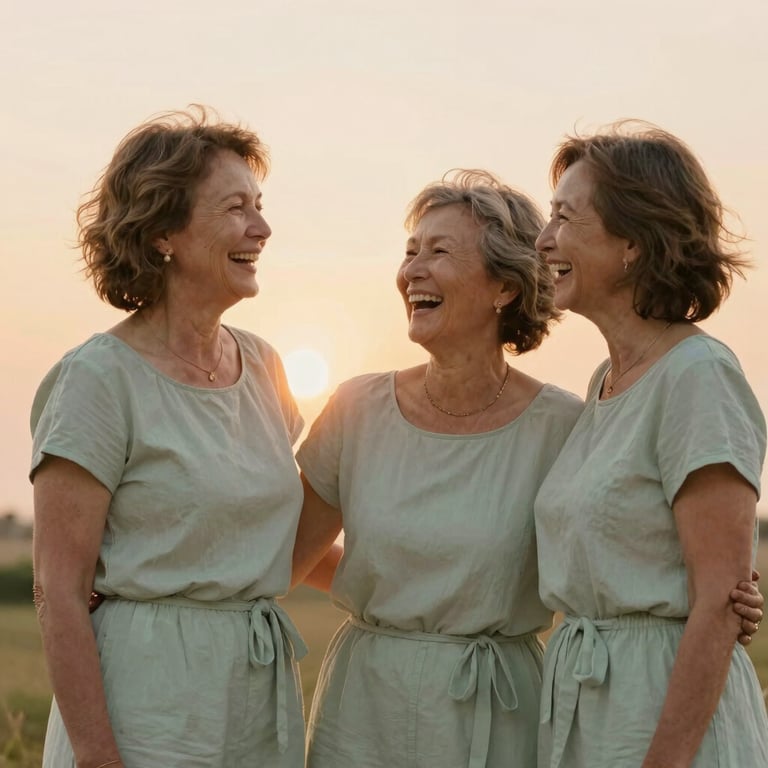

For many people over 55, self-care doesn’t come naturally. Not because they don’t value their health and happiness, but because they spent decades putting everyone else first.
Many of us were raised in a generation that believed hard work, sacrifice, and taking care of others were simply what responsible adults did. We built careers, raised children, cared for aging parents, supported spouses, volunteered in our communities, and often carried the weight of everyone else’s needs. Somewhere along the way, our own needs moved to the bottom of the list.
Now, as we enter our 50s, 60s, and beyond, the effects of years of self-neglect can begin to surface.
The Hidden Cost of Always Being the Caregiver
For decades, many adults have operated in “survival mode.” Between work responsibilities, family obligations, financial pressures, and household demands, there was little time left for personal well-being.
Over time, this constant giving can lead to:
Increased stress and anxiety
Emotional exhaustion and burnout
Poor sleep habits
Weight gain and health challenges
Feelings of loneliness or loss of purpose
Depression and decreased self-esteem
Many people don’t even realize how much they’ve neglected themselves until they finally have the time to slow down.
Why Self-Care Isn’t Selfish
One of the biggest obstacles people over 55 face is guilt.
They may feel selfish for spending money on themselves, taking time away from family responsibilities, or prioritizing their own health and happiness. But self-care isn’t selfish—it’s necessary.
Think of it this way: you can’t pour from an empty cup.
Taking care of yourself allows you to continue being present for the people you love while also enjoying the life you’ve worked so hard to build.
What Self-Care Really Looks Like
Self-care isn’t always spa days and vacations. In fact, some of the most important forms of self-care are simple daily habits.
Self-care can include:
Taking a daily walk
Reading a book for pleasure
Spending time with friends
Setting healthy boundaries
Getting enough sleep
Attending regular medical appointments
Practicing mindfulness or prayer
Pursuing hobbies you’ve always wanted to try
Asking for help when you need it
Most importantly, self-care means giving yourself permission to matter.
It’s Never Too Late to Start
Many people over 55 are entering a new chapter of life. Children may be grown, careers may be winding down, and retirement may be approaching or already here.
This transition offers a unique opportunity to reconnect with yourself.
Ask yourself:
What brings me joy?
What have I always wanted to learn?
What activities make me feel energized?
What relationships add value to my life?
What do I need more of—and less of?
The answers may surprise you.
The Next Chapter Can Be Your Best Chapter
The years ahead are not simply about aging—they’re about living well.
After spending decades caring for others, you deserve to invest in your own physical, emotional, and mental well-being. Self-care isn’t a luxury reserved for younger generations. It’s an essential practice for living a healthier, happier, and more fulfilling life at any age.
You have spent years supporting everyone around you. Now it’s time to give yourself the same care, compassion, and attention that you’ve so generously given to others.
Because your well-being matters too.